
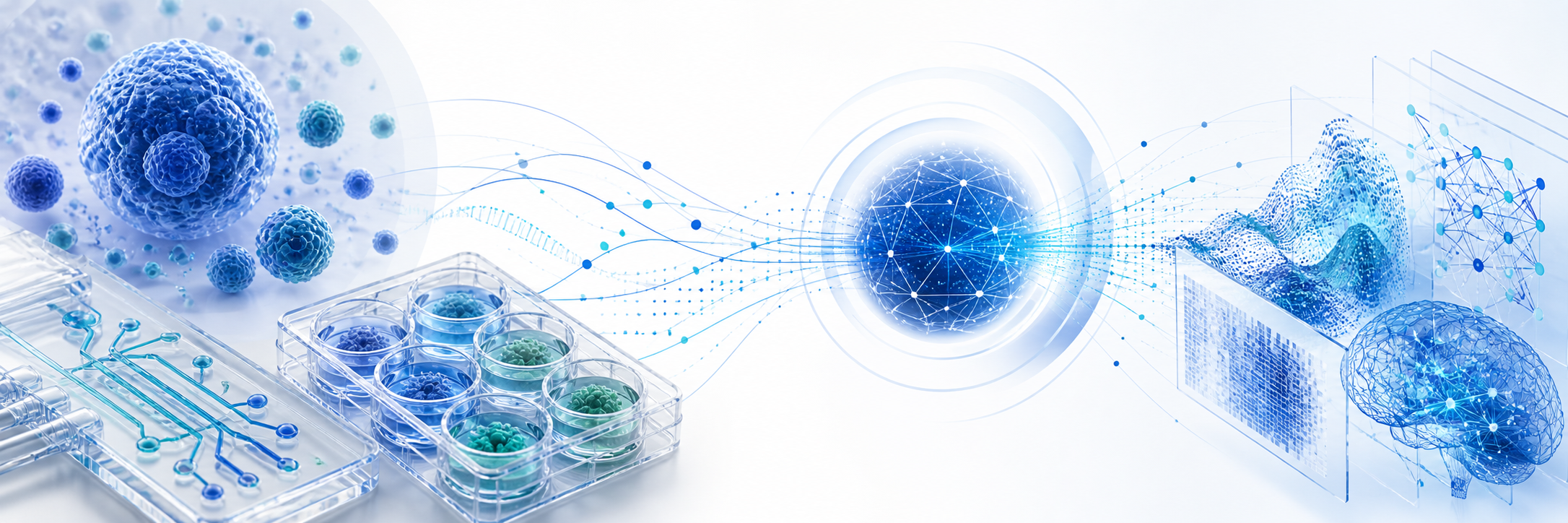
Suddath Symposium
This annual Symposium celebrates the legacy of F.L. "Bud" Suddath by discussing the latest developments in bioscience and bioengineering. The research topic changes annually, and speakers include leading researchers from around the world.
Event Information
March 3-4, 2027
Georgia Institute of Technology, Petit Biotechnology Building (IBB), Suddath Seminar Room 1128, 315 Ferst Drive NW, Atlanta, GA
“Beyond Animal Models: Integrating Ex Vivo, In Vitro, and In Silico Systems from Data to Decisions”
Advances in biomedical research are expanding the use of ex vivo, in vitro, and in silico models to generate human-relevant data, while agencies such as the FDA and NIH are encouraging the development and adoption of New Approach Methodologies (NAMs) that can complement or replace traditional animal models. Yet a key gap remains between data generation and actionable decision-making in drug development, toxicity prediction, and disease modeling.
The 35th annual Suddath Symposium will explore how integrated experimental, computational, and AI-driven approaches can help transform complex biological data into predictive, interpretable, decision-grade insights. Topics will include organoids, microphysiological systems, patient-derived models, AI-enabled modeling, data fusion, digital twins, validation, reproducibility, and regulatory alignment. By bringing together academic, industry, and regulatory stakeholders, the meeting will identify best practices and opportunities to accelerate the adoption of NAMs for therapeutic development, safety assessment, and precision medicine.
Confirmed Speakers


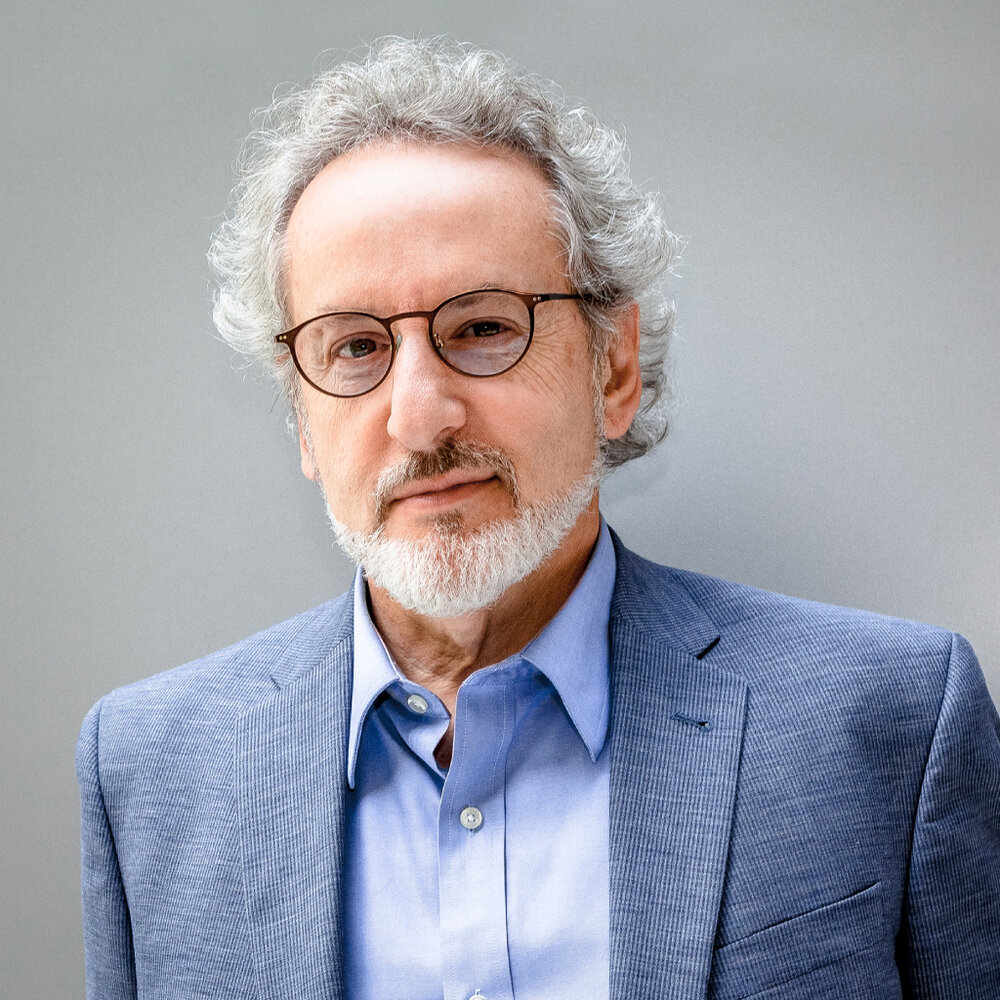

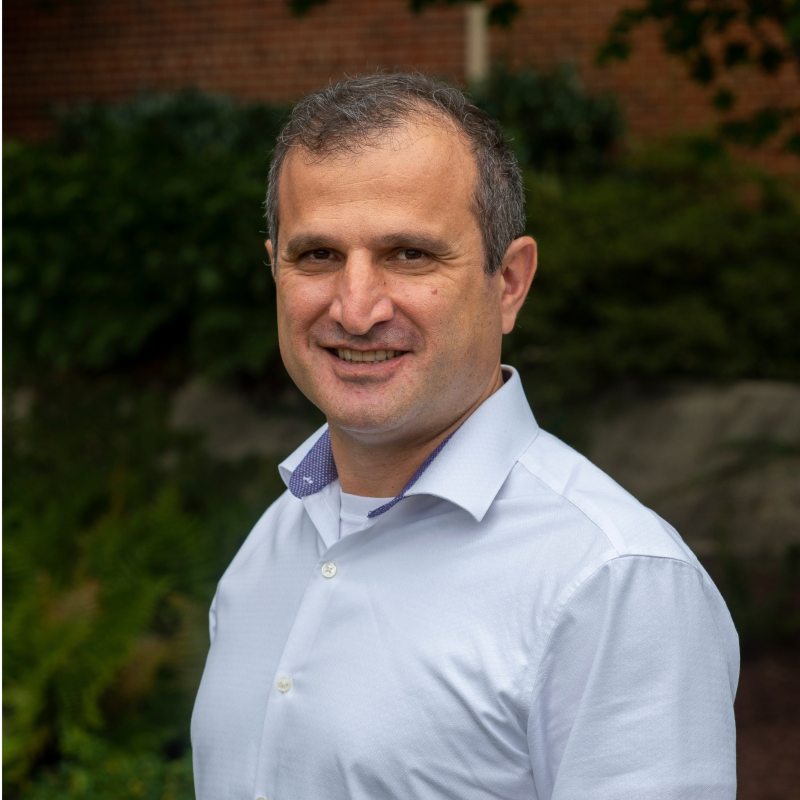
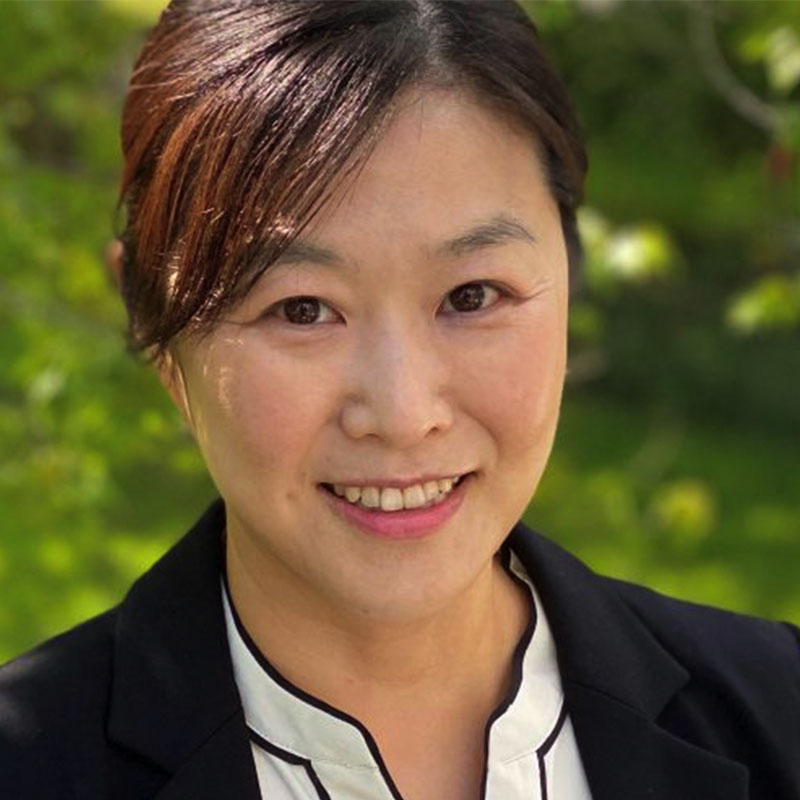
2027 Symposium Co-chairs
JC Gumbart is a professor in the School of Physics and School of Chemistry and Biochemistry at Georgia Tech. His research is focused on understanding how proteins and other biological systems function at a molecular level.
Shu Takayama is a professor in the Wallace H. Coulter Department of Biomedical Engineering at Georgia Tech and Emory University. His research interests include use of micro/nanofluidics for cell analysis, diagnostics, and chromatin analysis.