
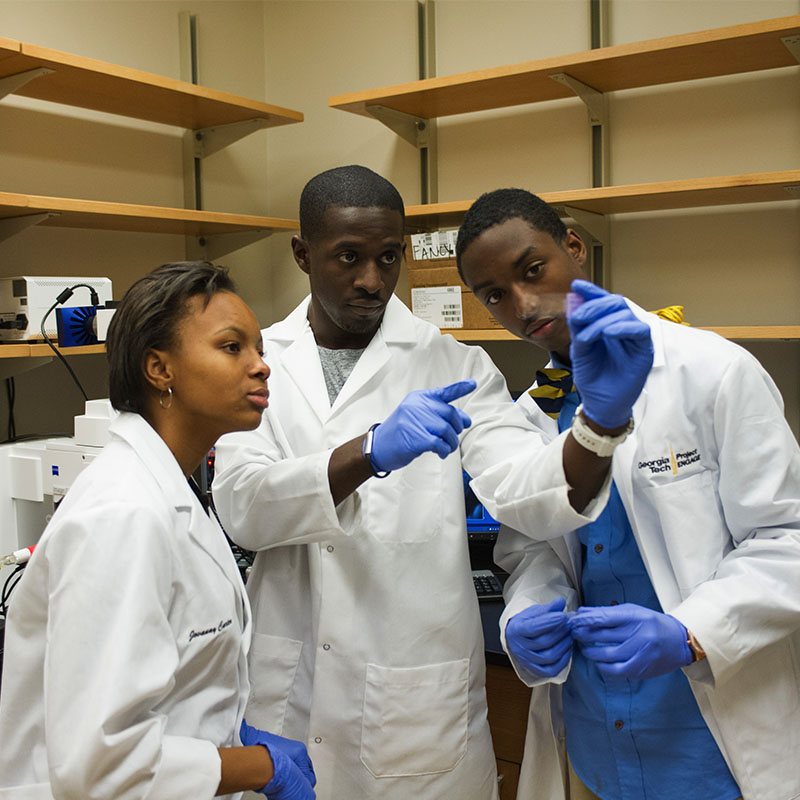
Education and Outreach
IBB fosters a new generation of researchers by supporting a variety of educational programs to add to the student experience and to the success of their future careers. We provide exciting opportunities for our students to interact not only with one another but also the bio-community.
High School Programs
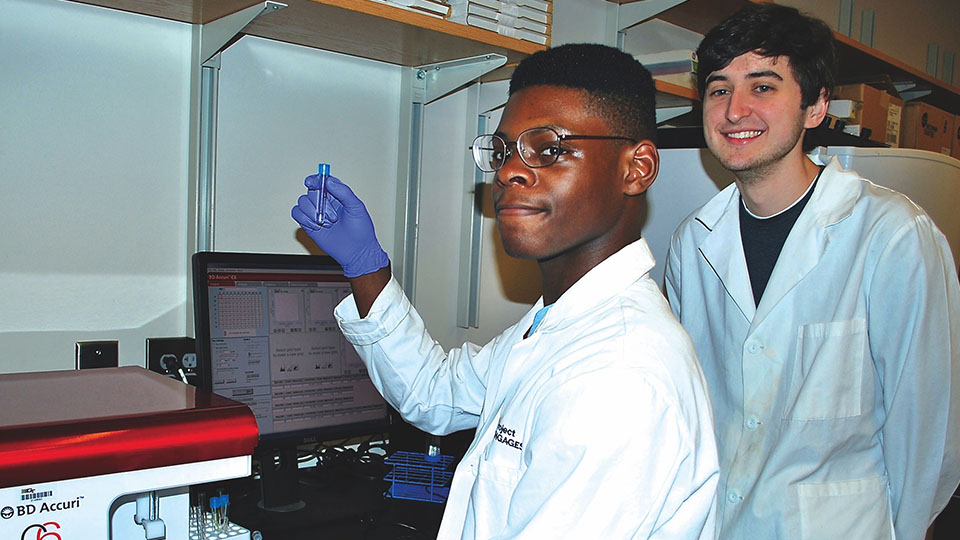
Project ENGAGES
Project ENGAGES (Engaging New Generations at Georgia Tech through Engineering and Science) is a high school science education program developed at Georgia Tech in partnership with Coretta Scott King Young Women's Leadership Academy, B.E.S.T Academy, KIPP Atlanta Collegiate, Benjamin E. Mays High School, Charles R. Drew Charter High School and South Atlanta High School, six public high schools in the City of Atlanta.
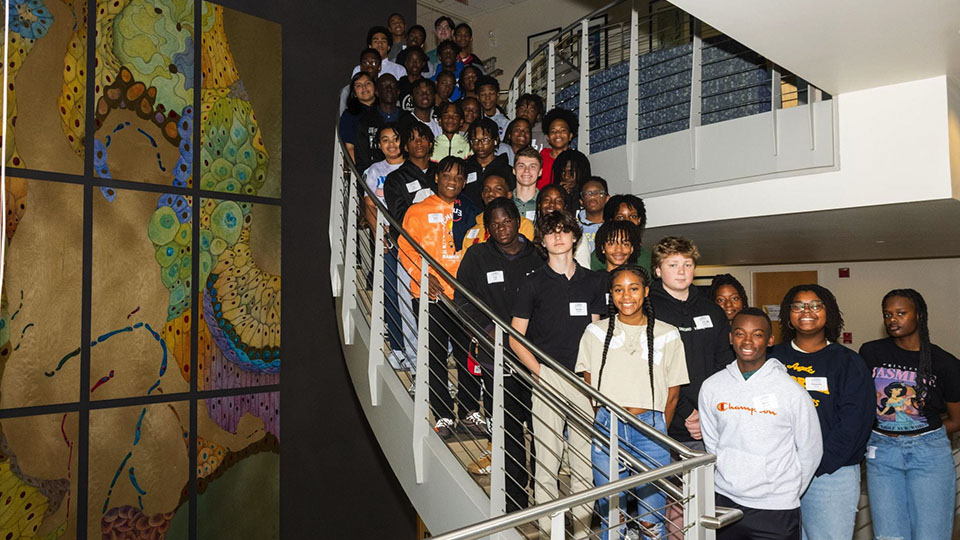
Bridge to Employment
The Johnson & Johnson Bridge to Employment (BTE) program connects local high school students with exciting STEM career opportunities. Working with partners around Atlanta, BTE supports 55 students through academic guidance, career exploration, college preparation, and leadership development. The program aims to increase college enrollment and inspire future careers in Science, Technology, Engineering, Art, Mathematics, Manufacturing, and Design (STEAM2D), creating pathways for success and strengthening the next generation of innovators.
Undergraduate Research Program
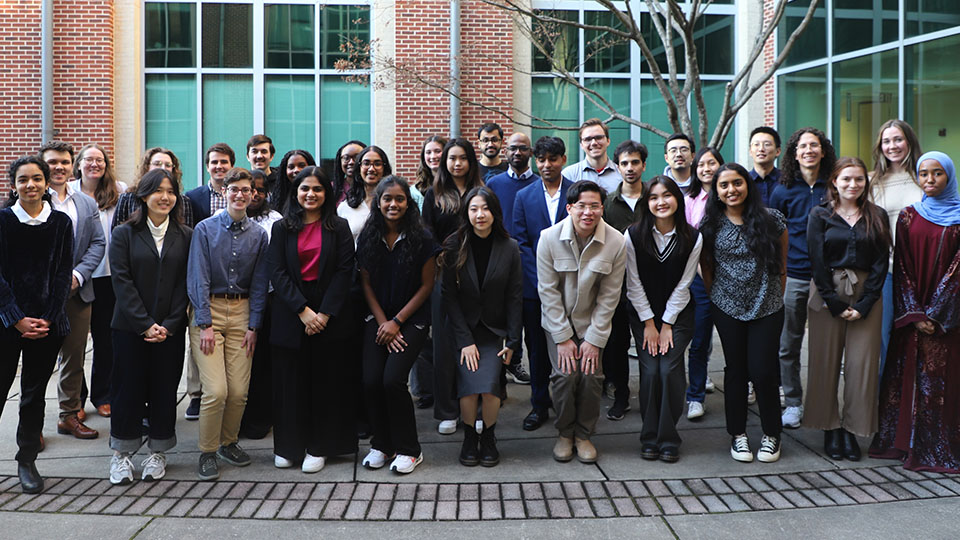
Petit Scholars
The Petit Undergraduate Research Scholars program is a scholarship program that serves to develop the next generation of leading bioengineering and bioscience researchers by providing a comprehensive research experience for a full year. Open to all Atlanta-area university students, the program allows undergraduates to conduct independent research in IBB state-of-the-art laboratories. Scholars develop their own research projects within the term of January to December each year.
Graduate Groups and Programs
BBUGS
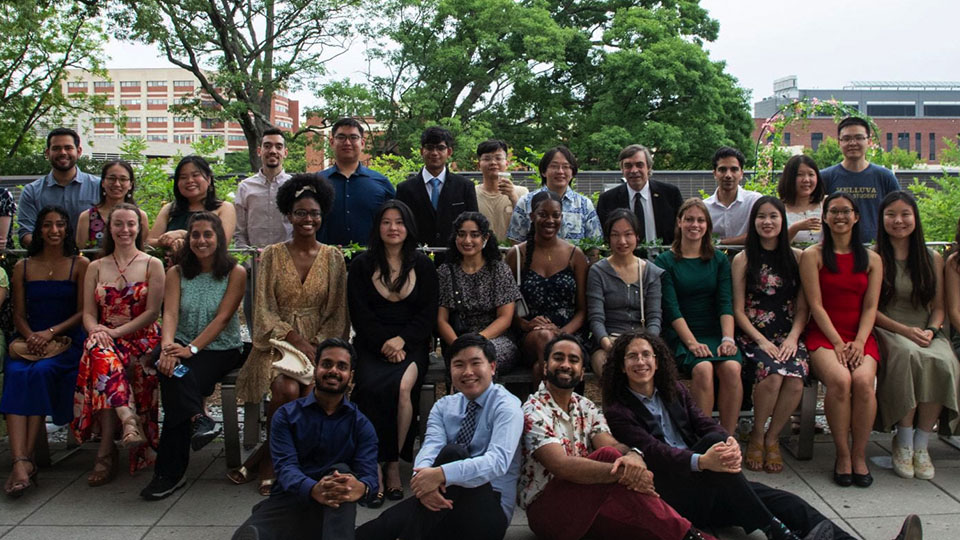
The Bioengineering and Bioscience Unified Graduate Students (BBUGS) is the largest graduate student group on the Georgia Tech campus. The BBUGS group serves as the core student group for the bioengineering and bioscience community. The group is an interdisciplinary graduate student group comprised of eight different departments. This graduate student group is open to everyone and anyone who has a bio-interest.
Bioengineering
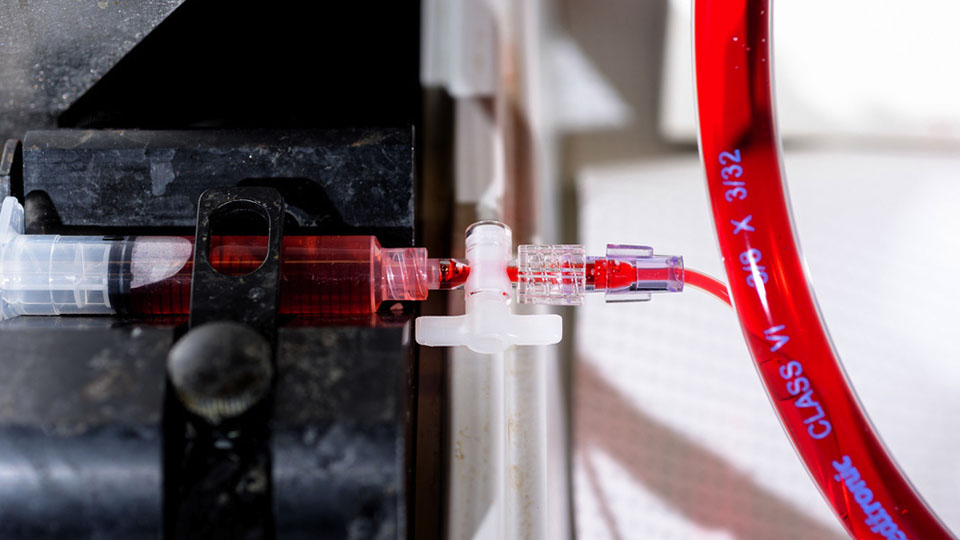
Established in 1992, the Georgia Tech Interdisciplinary Bioengineering Graduate Program (BioE) has graduated more than 170 students in a broad spectrum of research. More than 100 faculty from the Colleges of Engineering, Computing, Sciences, and Architecture as well as Emory University School of Medicine advise enrolled students.
Quantitative Biosciences
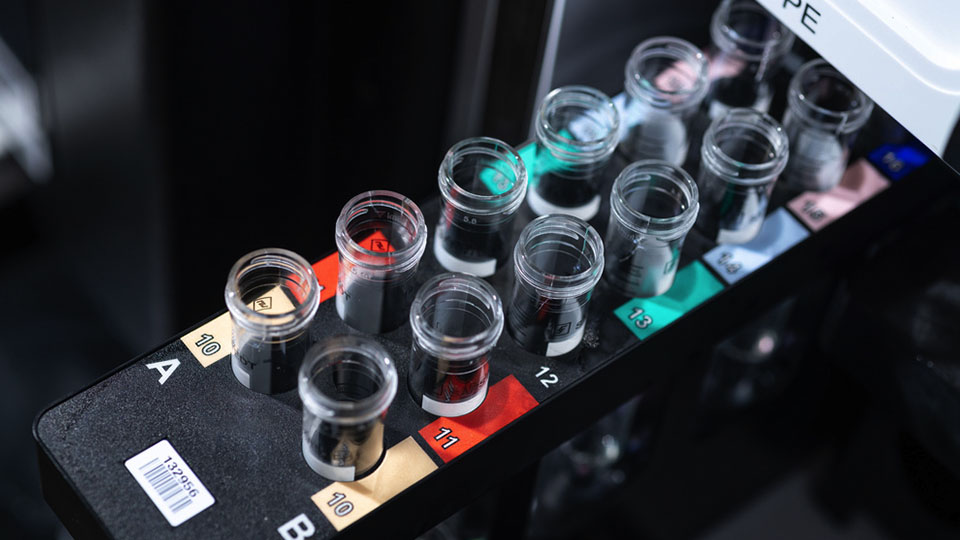
The Georgia Tech Interdisciplinary Graduate Program in Quantitative Biosciences (QBioS) at Georgia Tech was established in 2015, and the inaugural class of nine Ph.D. candidates joined us in Fall 2016. QBioS now has more than 60 participating program faculty representing six participating schools within the College of Sciences.
Bioinformatics
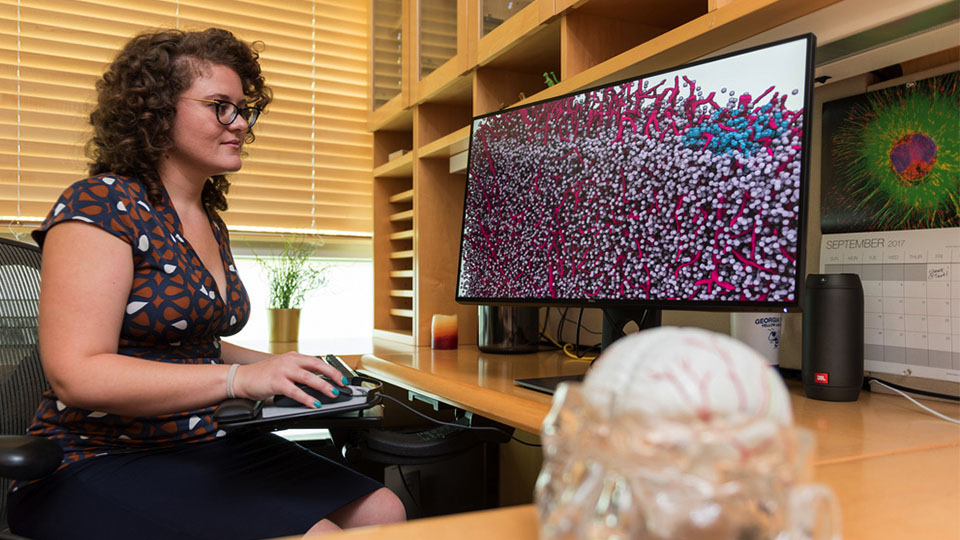
The mission of the Georgia Tech Bioinformatics Graduate Program is to educate and prepare students to reach the forefront of leadership in the fields of bioinformatics and computational biology, and to integrate research and education on the use of information technologies in biology and medicine. Bioinformatics now has 60 faculty members across six home schools in the Colleges of science, engineering, and computing.